Maritime power as pillar of Iran's shipping security and economic resilience
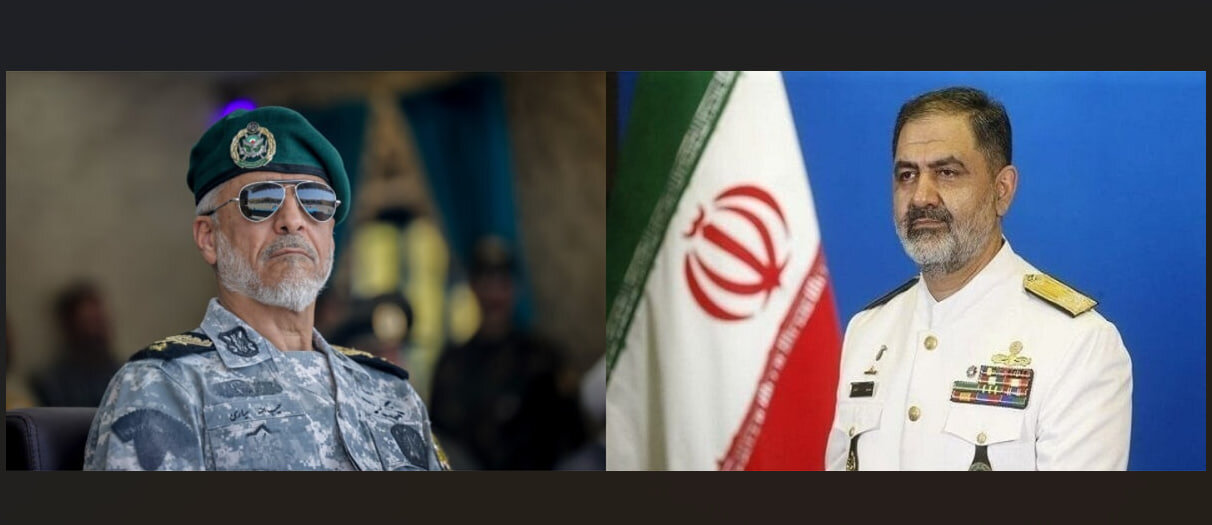
TEHRAN — Senior Iranian military commanders have underscored the strategic importance of the country’s maritime capabilities, describing naval power as essential to safeguarding national interests, protecting shipping routes and communications, maintaining regional security, and strengthening Iran’s economic resilience.
In separate messages marking World Maritime Day, observed annually on September 24, Rear Admiral Shahram Irani, commander of the Iranian Army Navy, and Rear Admiral Habibollah Sayyari, deputy chief of the Iranian Army for Coordination, highlighted the interconnected security and economic dimensions of Iran’s maritime capacity.
Their remarks came as global maritime trade continues to serve as a critical channel for the movement of goods, energy and raw materials, while Iran, with its extensive coastline along the Persian Gulf and Gulf of Oman, regards maritime security and transportation as integral to its national interests.
Maritime power and shipping security
Rear Admiral Shahram Irani said Iran’s naval power plays a key role in safeguarding national interests, ensuring regional security and protecting maritime communications and shipping routes.
In his World Maritime Day message, Irani described the sea as a vital conduit connecting nations and facilitating global trade, stressing that Iran’s naval power is not intended to threaten other countries or create insecurity, but to contribute to maritime stability and security while deterring 'adventurism in the region.'
According to the Iranian Navy commander, the country’s maritime capabilities, backed by indigenous knowledge, experience and defense capacities, have enabled the Islamic Republic to maintain an effective presence in surrounding waters and link deterrence with the preservation of peace and security.
Irani said the Iranian Navy, operating alongside other branches of the armed forces and relying on domestic capabilities, bears a critical responsibility for protecting the country’s maritime interests and ensuring the security of shipping lanes and maritime communication routes.
His remarks also highlighted Tehran’s broader position that maritime security should be approached through responsible regional arrangements and the protection of commercial navigation, rather than through measures that undermine stability.
The sea as a pillar of economic resilience
Rear Admiral Habibollah Sayyari, meanwhile, emphasized the economic importance of Iran’s maritime sector, describing the sea as a pillar of national power and a key driver of trade, the economy, energy security and the continuity of supply chains.
In his message marking World Maritime Day, Sayyari said developments and conflicts in the region over the past year had demonstrated the importance of Iran’s maritime capabilities.
Sayyari called for a forward-looking approach to the development of Iran’s maritime sector, stressing the importance of improving maritime safety and security, modernizing and expanding fleets and infrastructure, protecting the marine environment and training specialized human resources.
Such measures, he said, could strengthen Iran’s position within regional and global maritime transportation networks and contribute to the development of the blue economy.
The emphasis on modernization and specialized human resources also reflects a broader effort to strengthen indigenous capabilities across Iran’s maritime industries. In the security sphere, Navy commander Shahram Irani similarly attributed the country’s naval capacity to domestic knowledge, experience, and technological capabilities.
Together, the two commanders’ messages present maritime power from complementary perspectives: naval capabilities as a means of protecting national interests and shipping security, and the wider maritime economy as a foundation for trade, energy security and economic resilience.
Maritime security and regional stability
Iran’s strategic location gives its maritime sector a significance extending beyond its own borders. The country sits alongside some of the world’s most important energy and commercial waterways, making security in surrounding waters closely connected to regional stability and international trade.
Against this backdrop, Tehran has continued to emphasize that maritime security is inseparable from respect for national sovereignty, protection of legitimate economic interests and the uninterrupted movement of commercial shipping.
The Iranian military commanders’ messages therefore place the country’s maritime strategy within a broader framework that combines security, deterrence, economic resilience and regional stability.
For Iran, strengthening maritime capabilities is not solely a matter of military preparedness. It also involves maintaining shipping and supply chains, developing ports and fleets, protecting energy transportation, cultivating specialized expertise and ensuring that the country can continue to participate effectively in regional and global trade.
Leave a Comment